
Basics
What Is Artesanal Mezcal? Artesanal vs Ancestral Explained
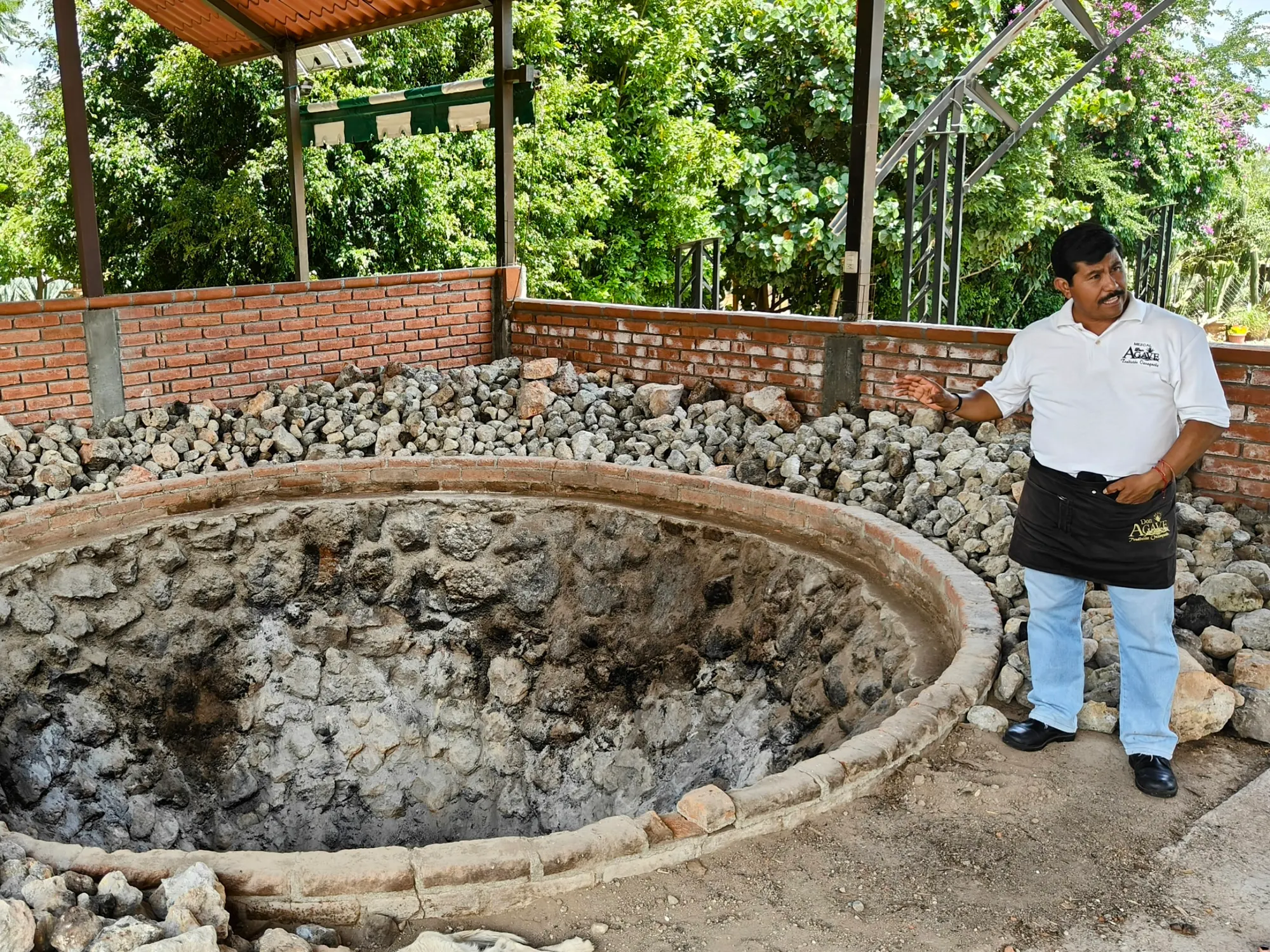
Artesanal mezcal (Mezcal Artesanal) is one of three categories in Mexico's official mezcal standard, NOM-070-SCFI-2016. It is made with traditional methods: agave cooked in pits or raised masonry ovens, crushed with mauls, a tahona, a mill or a shredder, and distilled over direct fire in copper or clay stills. Ancestral is the strictest category, with stone pits only and distillation in clay pots, and plain Mezcal is the widest.
What are the three categories of mezcal?
Mezcal is a legal label, and the official standard, NOM-070-SCFI-2016, sorts it into three categories by how it is made (section 4.2, with the methods in section 4.4). You will see the category on a label as Mezcal, Mezcal Artesanal or Mezcal Ancestral, and the label can show only one (section 6.1).
| Category | How it is made, in short |
|---|---|
| Mezcal | The widest category. Cooking in underground ovens, masonry ovens or an autoclave; milling with a tahona, a Chilean or Egyptian mill, a shredder, a series of mills or a diffuser; fermentation in wood, stone or stainless steel tanks; and distillation in stills or continuous distillation, with copper or stainless steel coils. |
| Mezcal Artesanal | Traditional methods with some flexibility: pits or raised masonry ovens for cooking; mauls, a tahona, mills or a shredder for crushing; fermentation in hollows in stone, earth or tree trunks, stone basins, animal skins, or wood or clay vessels; and direct fire in copper or clay stills. |
| Mezcal Ancestral | The strictest. Stone pits only for cooking; mauls, a tahona, or an Egyptian or Chilean mill for crushing (no shredder); and distillation in a clay pot over direct fire, with clay or wooden coils. |
Read the table as a spectrum, not a ranking. Each category is a set of allowed methods, and the label tells you which set the maker chose.
What makes a mezcal ancestral?
- Cooking: the agave is baked in stone pits only.
- Milling: the cooked agave is crushed with mauls, a stone wheel called a tahona, or an Egyptian or Chilean mill.
- Fermentation: in hollows in stone, earth or tree trunks, stone basins, animal skins, or wood or clay vessels, and the agave fiber may stay in.
- Distillation: in a clay pot heated over direct fire, with clay or wooden coils.
It is the most hands-on of the three categories (section 4.4.3 of the standard). Our directory shows which agaves grow wild.
What makes a mezcal artesanal?
Artesanal keeps traditional methods but allows more choice of tools (section 4.4.2). A maker might cook in a pit or a raised masonry oven, crush with mauls, a tahona, a mill or a shredder, ferment in stone, earth, wood, clay or animal skins with the agave fiber in or out, and distill over direct fire in a copper or clay still. It sits between the widest category and the strict ancestral one.
All three categories are 100% agave spirits (section 3.17). Because the exact rules are detailed, look for the category printed on the label rather than inferring it from a marketing phrase.
Does the category change how mezcal tastes?
The category tells you how a mezcal was made, not exactly how it will taste. Two bottles from the same category can taste very different, and so can two bottles of the same agave. Taste is personal. Bottles vary by maker.
A good way to explore is to taste with our flavor compass (smoke, agave, fermentation). Compare an agave our compass marks clean, mineral, fruity, such as Madrecuixe, with one it marks toasty, mineral, fruity, such as Arroqueño, then notice how maker and method nudge each.
Is ancestral better than artesanal?
Not automatically. Ancestral is the most traditional, and artesanal is traditional with flexibility. Both can be excellent, and both can be forgettable. Taste decides, not the word on the bottle. Our Discovery Deck can help you compare agaves side by side.
Quick answers
- What is the difference between artesanal and ancestral mezcal?
- Both are traditional categories. Ancestral is stricter: stone pits for cooking, mauls, a tahona or an Egyptian or Chilean mill for crushing, and distillation in clay pots over direct fire. Artesanal also allows raised masonry ovens, a shredder and copper stills.
- Is ancestral mezcal more expensive?
- Not necessarily. Price depends on the agave, the batch size and the maker, so the category alone doesn't tell you.
- Where does the standard come from?
- Mexico's official standard for mezcal is NOM-070-SCFI-2016, and the certifying council is COMERCAM, the Consejo Mexicano Regulador de la Calidad del Mezcal.
Meet the 40 agaves behind the bottle.